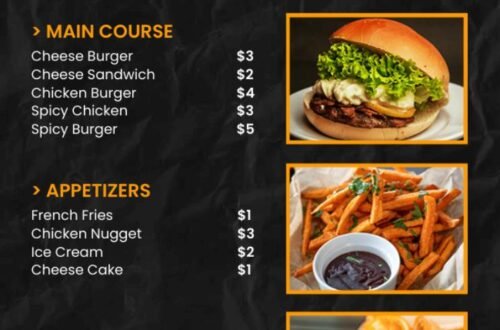
Fast food prices are a major factor in why millions of people choose fast food restaurants every day. Affordable meals, quick service, and predictable costs make fast food appealing to students, families, and busy professionals. However, fast food prices are not random; they are shaped by several important factors that affect what customers pay.
One of the biggest influences on fast food prices is ingredient cost. Items such as meat, cheese, cooking oil, and vegetables fluctuate in price due to supply, demand, and seasonal changes. When ingredient costs rise, fast food restaurants often adjust menu prices to maintain profitability. Even small increases in raw material costs can impact fast food prices across an entire menu.
Labor costs also play a key role in determining fast food prices. Wages for employees, training expenses, and staffing requirements affect overall operating costs. In regions where minimum wages increase, fast food prices may rise slightly to offset these changes. Despite automation and self-service kiosks, human labor remains essential in fast food operations.
Another factor affecting fast food prices is location. Restaurants in urban areas or high-rent locations often charge more than those in smaller towns. Rent, utilities, and local taxes all influence pricing. As a result, customers may notice differences in fast food prices even within the same restaurant chain.
Brand positioning is also important. Some fast food chains focus on low-cost value menus, while others offer premium items at higher prices. Combo meals, limited-time offers, and value deals are pricing strategies used to appeal to different customer segments. These options allow restaurants to maintain competitive fast food prices while increasing average order value.
Competition strongly impacts fast food prices. When multiple fast food restaurants operate in the same area, prices are often kept lower to attract customers. Special promotions and discounts are commonly used to gain market share and encourage repeat visits.
In conclusion, fast food prices are influenced by ingredient costs, labor, location, branding, and competition. Understanding these factors helps customers see why prices vary and why fast food remains a popular dining option despite economic changes.