A lush, green lawn is something every homeowner takes pride in, but pests can quickly ruin that picture. These unwelcome visitors damage grass, plants, and even the overall look of your yard if they are not dealt with early. The good news is that by learning how to spot common lawn pests and using the right control methods, you can protect your outdoor space and keep it healthy, vibrant, and thriving.
What Are Lawn Pests?
Lawn Pests Ipswich are insects, rodents, or other small creatures that feed on your grass, roots, or other landscape plants. Common lawn pests include grubs, chinch bugs, armyworms, mole crickets, and billbugs. Each pest has its own habits and preferred food sources, but all can cause damage if left untreated.
Signs of Lawn Pests
Early detection of lawn pests is key to effective control. Look for signs such as:
- Patchy or thinning grass: Pests like grubs feed on roots, causing grass to turn brown and die.
- Irregular patches of dead or yellowed grass: Often a sign of chinch bugs or other surface pests.
- Spots that are easily pulled up: Indicates root damage caused by pests.
- Presence of insects or larvae: Visible on the grass or soil surface.
- Animal activity: Birds, moles, or skunks digging in the yard may be searching for pests like grubs or insects.
Common Lawn Pests and Their Damage
- Grubs: White larvae that live in the soil and feed on grass roots, leading to brown patches that can be easily pulled up.
- Chinch Bugs: Small insects that suck sap from grass blades, causing stippling, yellowing, and dieback.
- Armyworms: Caterpillars that can rapidly defoliate large sections of your lawn.
- Mole Crickets: Silent burrowers that damage grass roots and create uneven patches.
- Billbugs: Beetles whose larvae feed inside grass stems and crowns, causing the grass to die.
Managing Lawn Pests Effectively
Prevention and early intervention are crucial for controlling lawn pests. Here are some effective strategies:
· Maintain Healthy Lawn Practices: A strong, dense lawn is your best defense against pests. Proper mowing, watering, fertilization, and aeration promote healthy root systems that are more resistant to pest damage.
· Regular Inspection: Frequent checks allow you to spot pests early. Look for signs of damage and insects on the grass and soil.
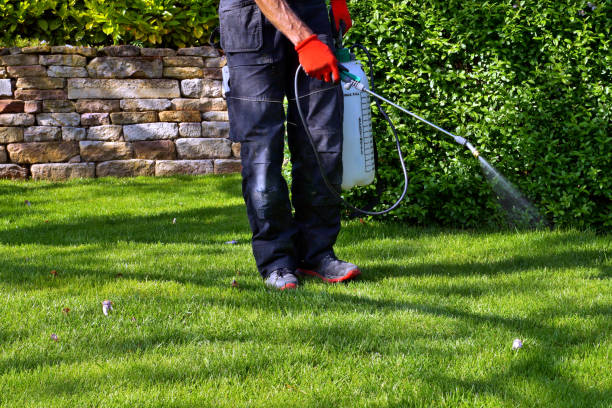
· Use Targeted Treatments: For severe infestations, consider applying appropriate insecticides or biological controls.
· Cultivate Good Soil Health: Healthy soil supports strong grass growth, making it less attractive to pests. Incorporate compost and organic amendments to improve soil quality.
· Reduce Lawn Stress: Avoid overwatering or underwatering, which can weaken your grass and make it more susceptible to pests.
Lawn pests can be a nuisance, but with proper identification, routine maintenance, and timely intervention, you can protect your yard from these unwelcome invaders. Regular lawn care practices combined with targeted pest management will help you maintain a lush, healthy, and pest-free landscape. Remember, a proactive approach is the key to enjoying a vibrant yard free of lawn pests.