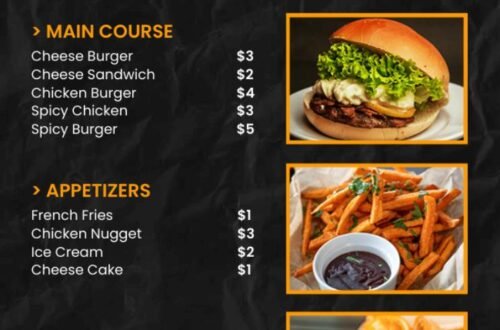
Fast food prices have a direct influence on what customers order and how often they visit fast food restaurants. Price sensitivity is especially important for younger consumers, families, and individuals on tight budgets. As a result, pricing strategies play a critical role in customer behavior.
Value menus are one of the most effective ways fast food restaurants attract price-conscious customers. Low-cost items encourage frequent visits and make fast food accessible to a wider audience. When fast food prices are perceived as fair, customers are more likely to return regularly.
Combo meals also shape consumer decisions. Bundling a main item, side, and drink at a slightly reduced cost makes customers feel they are getting better value. This pricing approach increases customer satisfaction while boosting restaurant sales.
Price increases, however, can affect customer loyalty. When fast food prices rise too quickly, some customers may reduce visits or switch to competitors. To manage this, restaurants often introduce promotions, limited-time discounts, or loyalty rewards.
Portion size options help balance pricing concerns. Offering small, medium, and large sizes allows customers to control spending. This flexibility makes fast food prices feel more manageable and inclusive.
Psychological pricing is also widely used. Prices ending in .99 or .49 appear more affordable, even if the difference is minimal. These strategies subtly influence how customers perceive fast food prices.
Digital ordering apps have changed how customers interact with pricing. Exclusive app-only deals and personalized offers make customers feel rewarded. This approach helps offset rising fast food prices and strengthens brand loyalty.
In summary, fast food prices strongly affect purchasing decisions, visit frequency, and brand perception. Restaurants that balance affordability with value are more likely to maintain long-term customer relationships.